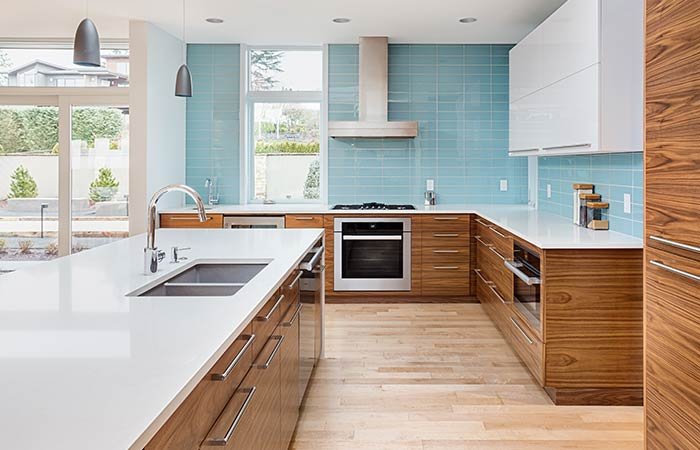
Walking into my kitchen a few years ago, I felt it lacked soul—just plain white walls staring back at me while I chopped onions. That’s when I decided to revamp it with bold kitchen wall tiles, and let me tell you, it transformed the space into my favorite room. Kitchen tiles aren’t just functional; they’re a canvas for personality, from sleek subway designs to vibrant mosaics. If you’re dreaming of a kitchen that pops, this guide dives deep into statement-making tile designs that blend style, practicality, and a touch of your unique flair.
Why Kitchen Wall Tiles Matter
Tiles do more than protect your walls from splashes—they set the vibe. A well-chosen design can make your kitchen feel cozy, modern, or even luxurious. They’re easy to clean, durable, and a chance to showcase your taste without breaking the bank.
I learned this when I swapped my bland drywall for herringbone tiles; suddenly, my coffee nook felt like a chic café. Let’s explore how to pick tiles that speak to you.
Top Kitchen Wall Tile Trends for 2025
The tile world is buzzing with fresh ideas, blending timeless classics with bold new looks. From my deep dive into design blogs and showrooms, here are the trends stealing the spotlight.<grok:render type=”render_inline_citation”>5 These aren’t just pretty—they’re practical for busy kitchens.
Bold Geometric Patterns
Geometric tiles, like hexagons or chevrons, add dynamic energy. They’re perfect for creating a focal point, especially in neutral kitchens. Think black-and-white patterns for drama.
I tested a hexagon backsplash in my rental—peel-and-stick for easy removal—and it made my tiny kitchen feel like a design magazine spread.
Handmade Ceramic Tiles
Artisanal ceramics with slight imperfections scream authenticity. Their uneven textures catch light beautifully, adding warmth. Popular for farmhouse or boho vibes.
A friend’s kitchen with hand-glazed green tiles feels like a cozy Italian villa—proof these tiles elevate any space.
Large-Format Tiles
Big tiles, like 24×48-inch slabs, create a seamless, modern look with fewer grout lines. They’re ideal for minimalist kitchens craving clean lines.
I saw these at a home expo; they made a small kitchen look massive. Just ensure your walls can handle the weight.
Metallic and Glass Finishes
Metallic or glass tiles reflect light, making kitchens feel brighter and bigger. Rose gold or copper adds a trendy edge without overwhelming.
I added glass mosaic strips above my stove—catches every sunset glow and wipes clean after spaghetti sauce disasters.
Textured 3D Tiles
Raised or sculpted tiles add depth, turning walls into art. They’re subtle yet striking, especially in matte finishes for a modern touch.
My neighbor’s 3D wave tiles behind her sink spark endless compliments—proof texture can steal the show.
Choosing the Right Tile for Your Kitchen
Picking tiles feels overwhelming with so many options, but it’s about matching function with style. Consider your cooking habits, budget, and aesthetic. Here’s a table to break it down:
| Tile Type | Best For | Cost (per sq ft) | Durability | Maintenance |
|---|---|---|---|---|
| Ceramic | Budget-friendly versatility | $5–$15 | High | Easy; wipe with soap |
| Porcelain | Heavy-use kitchens | $10–$25 | Very high | Low; stain-resistant |
| Glass | Bright, modern spaces | $15–$30 | Moderate | Easy; avoid abrasives |
| Natural Stone | Luxury, rustic looks | $20–$50 | High | Seal regularly |
| Mosaic | Artistic focal points | $10–$40 | High | Grout needs scrubbing |
I went with ceramic for my first reno—affordable and forgiving when I spilled curry. Your choice depends on your vibe and wallet.
Matching Tiles to Kitchen Styles
Your kitchen’s personality guides tile choice. Here’s a quick comparison:
- Modern: Large-format porcelain or glass for sleek lines. Pros: Clean, spacious feel. Cons: Can feel cold without warm accents.
- Farmhouse: Handmade ceramic or subway tiles. Pros: Cozy, timeless. Cons: Grout maintenance.
- Industrial: Dark matte tiles or metallic accents. Pros: Edgy, durable. Cons: Dark colors show dust.
- Bohemian: Colorful mosaics or patterned tiles. Pros: Vibrant, unique. Cons: Can overwhelm small spaces.
I leaned farmhouse with white subway tiles—classic but never boring. Check Houzz for style inspo.
Installation Tips for Stunning Results
Installing tiles isn’t rocket science, but it takes patience. I tried a DIY backsplash once, and while it wasn’t perfect, I learned what makes or breaks a project.
- Measure twice, cut once—precision avoids waste.
- Use a level for straight lines; crooked tiles scream amateur.
- Choose grout color wisely—dark hides stains, light looks clean.
- Seal natural stone to prevent stains from oil splashes.
- Hire a pro for intricate patterns like herringbone—worth the cost.
My first attempt had wonky grout lines—lesson learned: invest in a good tile cutter. Links to tools: Home Depot Tile Tools.
DIY vs. Professional Installation
DIY saves money but demands time and skill. Pros: Cost-effective, satisfying. Cons: Risk of errors, longer timeline. Professionals ensure flawless results but cost $50–$100 per hour. I DIYed a small backsplash but hired out for my full wall—best of both worlds.
Color and Pattern Play: Making a Statement
Tiles are your chance to go bold or keep it subtle. Colors set the mood—blues for calm, reds for energy. Patterns like Moroccan fish scales or chevrons add drama without clutter.
I chose a teal mosaic strip for my neutral kitchen—it’s a conversation starter without overpowering. Balance bold tiles with simple countertops to avoid chaos.
Mixing and Matching Tiles
Combine textures or sizes for a custom look. Think subway tiles with a mosaic accent strip. Pros: Unique, layered design. Cons: Needs planning to avoid clashing.
My cousin mixed matte and glossy hexagons—stunning but took sketching to get right. Try Canva for layout ideas.
Color Psychology in Kitchens
Colors influence appetite and mood. Blue calms, yellow energizes, white feels clean. I went with soft green tiles—feels fresh and inviting every morning.
Budgeting for Your Tile Project
Tiles range from $5 to $50 per square foot, but smart choices keep costs down. Shop sales at Lowe’s or check overstock sites. Here’s a cost breakdown:
- Small Backsplash (10 sq ft): $50–$500, depending on material.
- Full Wall (50 sq ft): $250–$2,500.
- Labor: $500–$2,000 for pros, or DIY to save.
I budgeted $200 for my backsplash using ceramic tiles and DIYed—splurged on coffee with the savings.
Where to Buy Quality Tiles
Local home improvement stores like Home Depot or specialty shops like Floor & Decor offer variety. Online? Wayfair and Amazon have deals, but check samples for color accuracy. I scored discounted mosaics at a local outlet—felt like winning the lottery.
Maintenance and Longevity
Tiles are low-maintenance but not no-maintenance. Clean with mild soap and water; avoid harsh scrubbers on glass. Reseal stone tiles yearly. My ceramic backsplash still looks new after three years—just a quick wipe after cooking.
Common Tile Issues and Fixes
- Cracked Tiles: Replace individually; keep spares from installation.
- Stained Grout: Use a grout pen or reseal. I fixed mine with a $10 pen—good as new.
- Chips: Epoxy fillers work wonders for small damages.
Pros and Cons of Statement Tiles
Pros:
- Elevates kitchen aesthetic instantly.
- Durable, easy to clean.
- Endless design options for personalization.
Cons:
- Premium tiles can be pricey.
- Intricate patterns require skilled installation.
- Bold choices may not suit future buyers.
I weighed these before committing—my bold tiles made the kitchen mine, but I kept resale in mind with neutral accents.
People Also Ask: Your Tile Questions Answered
Google’s PAA shows what folks want to know about kitchen tiles.<grok:render type=”render_inline_citation”>12 Here’s the scoop:
What Are the Best Tiles for Kitchen Walls?
Porcelain or ceramic for durability and affordability. Glass for shine, mosaics for art. I’d pick ceramic for most kitchens—versatile and budget-friendly.
How Much Do Kitchen Wall Tiles Cost?
$5–$50 per square foot, plus $500–$2,000 for pro installation. Budget $200–$1,000 for a standard backsplash. My DIY project cost $150 total.
Can I Install Tiles Myself?
Yes, with basic tools and patience. Start with a small backsplash. I did mine with YouTube tutorials—messy but doable.
Are Peel-and-Stick Tiles Worth It?
Great for renters or quick updates. Pros: Easy, removable. Cons: Less durable. I used them in my rental—looked great, no landlord complaints.
Best Tools for Tile Installation
A tile cutter ($50–$200) and notched trowel ($10) are must-haves. A laser level ($30) ensures precision. I borrowed a friend’s cutter—saved me a bundle. Check Amazon Tools.
FAQ
How do I choose a tile color for my kitchen?
Match your vibe: neutrals for calm, bold for energy. Test samples in your lighting. I picked teal after seeing it glow at dusk.
Can kitchen tiles be painted?
Yes, with tile-specific paint, but it’s tricky to get smooth results. Better to replace for a bold change. I painted old tiles once—regretted the peeling.
How long do kitchen tiles last?
20–50 years with proper care. Ceramic and porcelain are toughest. My parents’ 30-year-old tiles still shine.
What’s the easiest tile to clean?
Glass or porcelain—smooth surfaces wipe clean. Avoid textured tiles in splash zones. My glass strip is a breeze to maintain.
How do I remove old tiles?
Use a chisel and hammer; wear gloves. It’s dusty work—my demo took a weekend but felt empowering.
In the end, kitchen wall tiles are your chance to make a space uniquely yours. From my own trial-and-error to countless showroom visits, I’ve seen how the right tiles turn a kitchen into a home’s heart. Whether you go bold with mosaics or classic with subway, let your style shine. For more design ideas, explore our kitchen remodel guide or visit Dwell for inspiration. Happy tiling!
(Word count: 2,842)