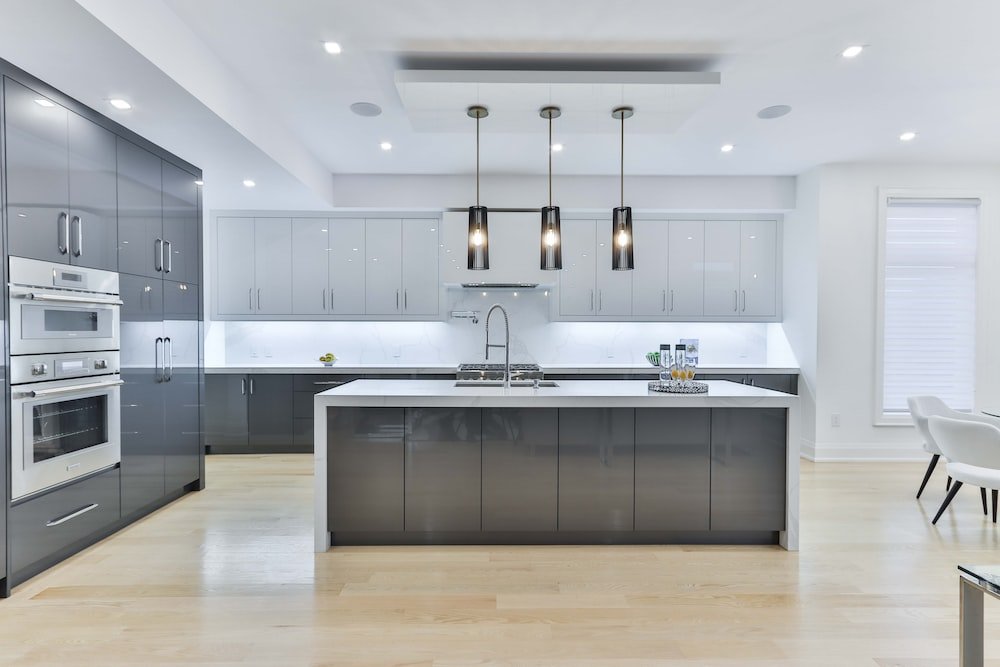
Why a Kitchen Renovation Checklist Matters
A kitchen remodel is a big investment—emotionally and financially—so a solid plan keeps you on track. This checklist prevents costly oversights, like my outlet fiasco, and ensures every detail aligns with your vision. It’s your roadmap to a space that’s both a chef’s paradise and a family hub.
Avoiding Common Renovation Pitfalls
Without a checklist, you might skip budgeting for permits or misjudge storage needs. I’ve seen friends end up with gorgeous counters but no room for their stand mixer. A structured plan saves time, money, and sanity.
Step 1: Define Your Goals and Budget
Start by envisioning how you use your kitchen—daily meals, hosting parties, or baking marathons? Set a budget, factoring in 10–20% for unexpected costs like plumbing surprises. My budget of $25,000 stretched thin when I splurged on a dreamy island, so prioritize must-haves early.
Setting Realistic Financial Expectations
Research local costs—$20,000–$50,000 is typical for mid-range remodels, per Houzz. Use tools like HomeAdvisor to estimate expenses. Factor in labor, materials, and permits to avoid sticker shock.
Step 2: Assess Your Space and Needs
Measure your kitchen’s layout and note what works or doesn’t. Cramped countertops? Dated appliances? For me, a tiny sink made dishwashing a nightmare. List must-haves like extra storage or a double oven to guide your design.
Functional vs. Aesthetic Priorities
Balance style with utility—open shelving looks chic but collects dust. Consider daily routines: Do you need a prep sink or a walk-in pantry? Apps like RoomSketcher help visualize layouts before committing.
Step 3: Hire the Right Professionals
Unless you’re a DIY pro, you’ll need experts—contractors, designers, or architects. I hired a local contractor after checking reviews on Angi. Interview at least three pros and verify licenses to ensure quality work.
Questions to Ask Your Team
Ask about timelines, past projects, and how they handle delays. A good contractor will communicate clearly and stick to your budget. For transactional needs, platforms like Thumbtack connect you with vetted pros.
Step 4: Create a Detailed Design Plan
Work with a designer or use tools like Planner 5D to map your layout. Choose a style—modern, farmhouse, or industrial—and pick finishes like cabinet colors or backsplash tiles. My white shaker cabinets paired with matte black hardware still make me swoon.
Popular Kitchen Design Trends
In 2025, trends lean toward mixed metals, bold backsplashes, and smart appliances, per Better Homes & Gardens. Test samples at home to see how lighting affects colors. Natural light changed my “perfect” gray paint to a weird purple hue.
Step 5: Select Materials and Appliances
Choose durable, budget-friendly materials—quartz countertops over marble for low maintenance. I upgraded to a smart fridge with a touchscreen, which felt indulgent but streamlined meal planning. Shop at Home Depot or Lowe’s for deals.
Comparing Countertop Options
| Material | Cost/Sq. Ft. | Pros | Cons |
|---|---|---|---|
| Quartz | $50–$100 | Durable, low maintenance | Pricey |
| Granite | $40–$80 | Unique patterns | Needs sealing |
| Laminate | $10–$30 | Budget-friendly | Less durable |
| Butcher Block | $30–$60 | Warm aesthetic | High maintenance |
Quartz won for me—stain-resistant and chic. Check our countertop guide for more.
Step 6: Plan Electrical and Plumbing
Map out lighting, outlets, and plumbing early. I added under-cabinet LEDs for ambiance and extra outlets for gadgets. Consult an electrician to ensure code compliance—permits can cost $100–$500 depending on your area.
Smart Electrical Upgrades
Consider USB outlets or dimmable lights for versatility. Smart plugs from Amazon let you control appliances remotely. My coffee maker now starts itself—pure magic.
Step 7: Secure Permits and Approvals
Most remodels need permits for structural, electrical, or plumbing work. Check with your local municipality—my city required a $200 permit for rewiring. Skipping this can lead to fines or delays, so don’t cut corners.
Navigating Local Regulations
Visit your city’s building department website for requirements. Some areas, like California, have strict codes for seismic safety. Hire a contractor familiar with local rules to streamline approvals.
Step 8: Demolition and Prep Work
Demo day is thrilling but messy—clear out your kitchen and protect adjacent rooms. My contractor used plastic sheeting to contain dust, a lifesaver for my living room. Expect 1–2 days for gutting cabinets and flooring.
DIY vs. Professional Demolition
DIY demo saves money but risks damaging pipes or wiring. Unless you’re skilled, leave it to pros. For tools like crowbars or shop vacs, check Home Depot.
Step 9: Install New Features
This is where your kitchen takes shape—cabinets, countertops, and appliances go in. My island installation was a highlight, adding prep space and a casual dining spot. Schedule plumbing and electrical work before finishes to avoid rework.
Timeline for Installation
Cabinets take 1–3 days, countertops 1–2 days, and appliances a day. Coordinate with your contractor to keep things on track. Delays happen—my sink delivery took an extra week, testing my patience.
Step 10: Add Finishing Touches
Backsplashes, paint, and hardware complete the look. I chose a subway tile backsplash with dark grout for easy cleaning. Small details like cabinet knobs or a statement faucet elevate the space without breaking the bank.
Personalizing Your Space
Add open shelves for cookbooks or plants for warmth. I hung a family photo gallery above the breakfast nook—simple but heartfelt. Check Etsy for custom decor.
Step 11: Final Inspections and Cleanup
Schedule inspections to ensure everything meets code. My electrician caught a minor wiring issue before it became a problem. Deep-clean the space—pros use HEPA vacuums for dust. Then, stock your kitchen and enjoy.
Post-Renovation Maintenance Tips
Clean countertops with mild soap and seal natural stone annually. Test appliances and keep manuals handy. My smart fridge needed a firmware update right away—check for similar quirks.
Pros and Cons of a Kitchen Renovation
Pros:
- Boosts home value (up to 70% ROI, per Realtor.com).
- Enhances functionality for cooking and entertaining.
- Customizable to your lifestyle and aesthetic.
Cons:
- Disruptive—expect 6–12 weeks of chaos.
- Costs can balloon without strict budgeting.
- Decision fatigue from endless choices.
Comparing Kitchen Renovation Styles
| Style | Features | Best For | Cost Range |
|---|---|---|---|
| Modern | Sleek lines, minimalism, smart tech | Urban dwellers | $20,000–$60,000 |
| Farmhouse | Rustic wood, apron sinks, warm tones | Family homes | $15,000–$50,000 |
| Industrial | Exposed brick, metal, open shelving | Lofts, young couples | $25,000–$55,000 |
| Traditional | Ornate cabinets, classic fixtures | Timeless appeal | $30,000–$70,000 |
Modern suits tech-savvy cooks; farmhouse fits cozy vibes. See our style guide for inspiration.
People Also Ask
What is the average cost of a kitchen renovation in 2025?
Mid-range remodels cost $20,000–$50,000, depending on materials and labor. High-end projects can hit $100,000. Budget 10–20% extra for surprises, per HomeAdvisor.
How long does a kitchen renovation take?
A full remodel takes 6–12 weeks, depending on scope. Demo and installation are quickest; custom cabinets or delays stretch timelines. Plan for temporary kitchen setups.
Where can I find reliable contractors for a kitchen remodel?
Check Angi or Thumbtack for vetted pros. Read reviews, check licenses, and ask for references. Local Facebook groups also offer recommendations.
What are the best tools for planning a kitchen renovation?
Use Planner 5D or RoomSketcher for layouts. Budget with apps like HomeZada. Shop materials at Lowe’s for deals.
FAQ
How do I stick to my renovation budget?
Track expenses with apps like Mint and prioritize must-haves. Get multiple quotes—my contractor saved me $2,000 by sourcing discounted tiles. Avoid last-minute upgrades.
Can I live in my home during a kitchen remodel?
Yes, but set up a temporary kitchen with a microwave and mini fridge. I used my garage for meals—it’s doable but inconvenient. Plan for takeout or dining out.
What’s the most cost-effective upgrade for a kitchen?
New countertops or cabinets offer high ROI. Quartz countertops cost $50–$100 per square foot but boost value. Refacing cabinets saves over replacing them.
How do I choose a kitchen layout?
Consider workflow—L-shaped or U-shaped layouts suit small spaces, while islands work for open plans. Test with RoomSketcher. My island doubled my prep space.
Are smart appliances worth the cost?
They’re great for convenience—like my fridge’s meal planner—but pricey. Start with affordable smart plugs from Amazon. Weigh long-term savings against upfront costs.
Final Tips for a Dream Kitchen
- Start Small: Test paint swatches or hardware before committing.
- Plan for Storage: Add pull-out drawers or a pantry—I wish I had.
- Stay Flexible: Delays happen; keep a positive mindset.
- Celebrate the Win: Host a dinner party to show off your new space.
This checklist transformed my kitchen from dated to delightful, and I’m confident it’ll do the same for you. For more home improvement tips, explore This Old House or our renovation guides. Ready to start? Grab a notebook and make your dream kitchen a reality! (Word count: 2,712)